
Why Fresh, Homemade Meals Make All the Difference in Your Dog’s Golden Years
As our dogs grow older, their needs change — sometimes dramatically. Slower metabolism, joint stiffness, weight gain, dental sensitivity, and digestive issues all become more common in senior years.
That’s why one of the most searched questions by dog parents today is:
What is the best food for senior dogs?
The answer isn’t just about protein percentages or marketing claims on a bag. It’s about freshness, digestibility, quality ingredients, and control over what goes into your dog’s bowl.
Let’s break it down.
What Changes as Dogs Age?
Most dogs are considered “senior” around age 7 (earlier for large breeds, later for small breeds). As they age, their bodies experience:
- 🐕 Slower metabolism
- 🦴 Joint inflammation and stiffness
- 🫀 Increased risk of heart disease
- 🍽️ Reduced appetite or dental sensitivity
- 🧠 Cognitive decline
- ⚖️ Greater tendency toward weight gain
Senior dogs need food that is:
- Easier to digest
- Moderate in calories
- High in quality protein
- Rich in anti-inflammatory nutrients
- Free from unnecessary fillers
And this is where many commercial options fall short.
The Problem with Kibble, Canned, and “Subscription” Foods
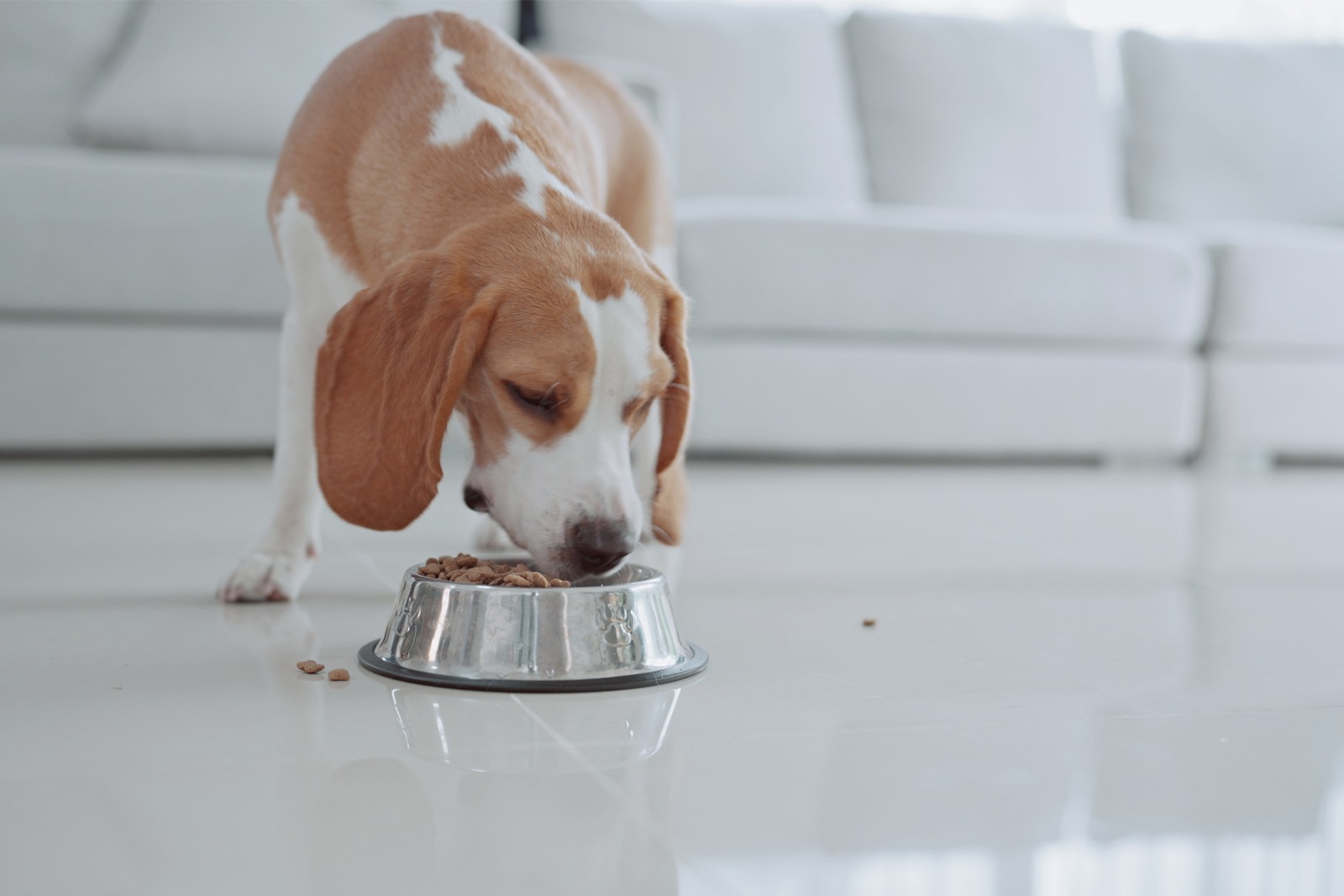
Kibble (Dry Dog Food)
Most kibble is:
- Highly processed at high heat
- Made to sit on shelves for 12–24 months
- Containing fillers like corn, wheat, and by-products
- Preserved with synthetic additives
High heat processing destroys many natural nutrients — which manufacturers later “add back” in synthetic form.
That’s not fresh.
That’s manufactured.
Canned Dog Food
Canned food is often marketed as “moist” or “premium,” but:
- It is heavily processed and pressure-cooked
- It may contain gums, stabilizers, and preservatives
- It still sits in warehouses and on shelves for long periods
Moist does not equal fresh.
Subscription Fresh Dog Food
Many subscription brands promote “fresh” food. However:
- It is batch-cooked in factories
- Vacuum-sealed and shipped
- Often stored for weeks
- Extremely expensive long-term
While better than kibble, you still don’t control the ingredients or the sourcing.
So What Is the Best Food for Senior Dogs?
The ideal diet for senior dogs is:
✔️ Freshly cooked
✔️ Human-grade ingredients
✔️ Balanced protein and healthy fats
✔️ Moderate carbohydrates
✔️ Rich in natural antioxidants
✔️ Free from fillers and preservatives
✔️ Easy to chew and digest
And the only way to truly guarantee this?
Cook it yourself.
Why Homemade Fresh Food Is Superior for Senior Dogs
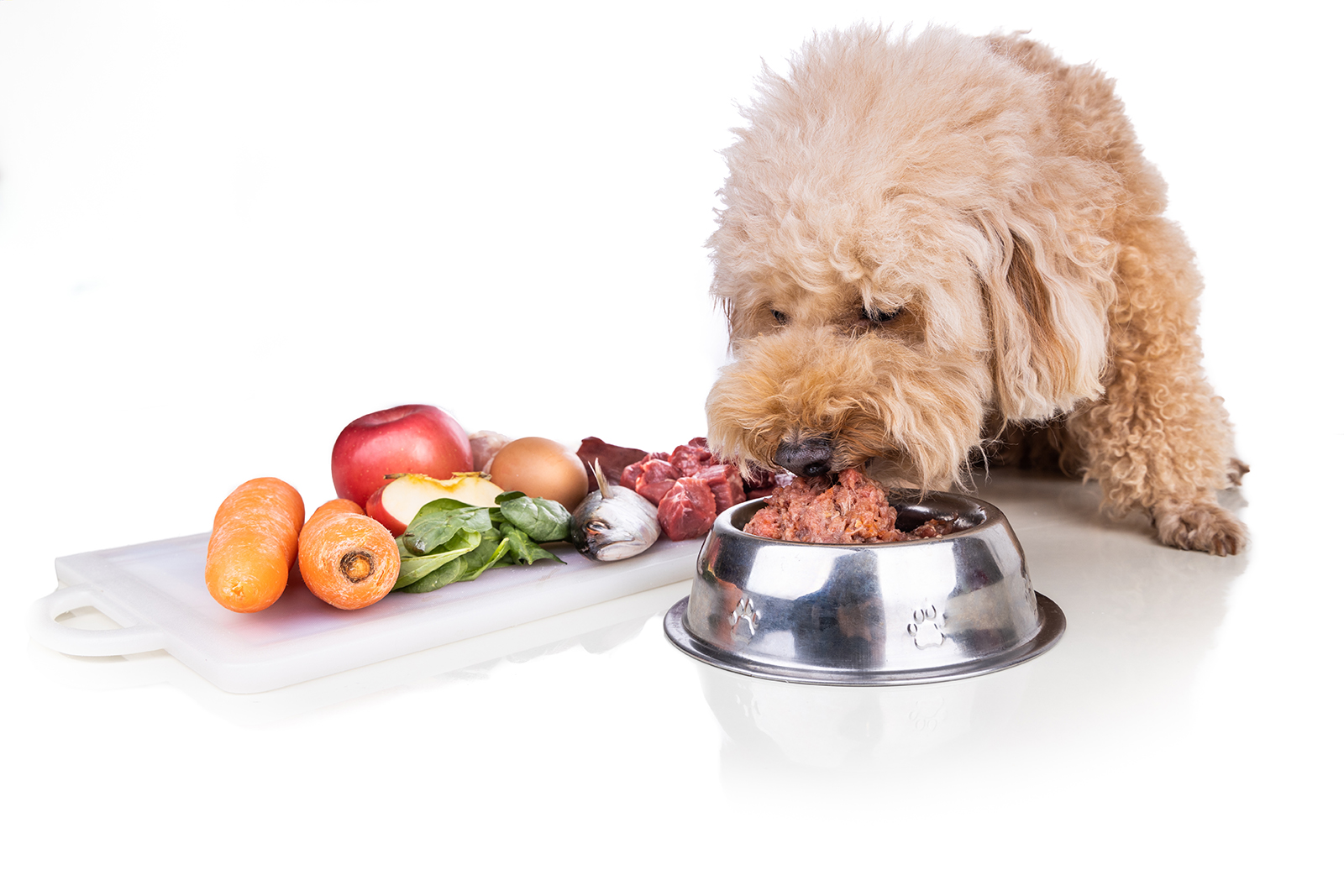
When you cook your dog’s meals at home using fresh, whole ingredients, you:
🥕 Control Every Ingredient
You choose:
- Lean meats (chicken, turkey, beef, fish)
- Fresh vegetables (carrots, spinach, green beans)
- Whole grains (brown rice, oats)
- Healthy fats (olive oil, fish oil)
No mystery ingredients. No by-products.
🦴 Support Joint Health Naturally
Fresh ingredients like:
- Salmon (Omega-3 fatty acids)
- Leafy greens (antioxidants)
- Turmeric (natural anti-inflammatory)
help support aging joints and reduce stiffness.
⚖️ Manage Weight More Precisely
Senior dogs gain weight easily.
When you cook fresh meals:
- You control portion sizes
- You control calorie density
- You avoid hidden sugars and fillers
This helps prevent obesity — the #1 health issue in dogs.
🍽️ Improve Digestibility
Fresh, gently cooked food is easier to digest than processed kibble.
Senior dogs often experience:
- Gas
- Constipation
- Sensitive stomachs
Fresh food reduces digestive stress and improves nutrient absorption.
🧠 Support Brain Health
Fresh ingredients rich in antioxidants and healthy fats help support cognitive function in aging dogs.
Your dog stays sharper, longer.
Dr. Chris Hallihan V.M.D. & Dr. Kristen Casulli V.M.D. discuss dog obesity and importance of fresh food
Why a Cooking Device Like Total Pet Kitchen Makes It Easy
Many dog parents want to cook fresh food — but worry about time and convenience.
That’s where a purpose-built device like Total Pet Kitchen changes everything.
With a simple process:
- Add fresh ingredients
- Press a button
- In under an hour, prepare a week’s worth of meals
It removes the complexity from home cooking while preserving:
- Freshness
- Nutritional integrity
- Ingredient transparency
- Cost efficiency
You’re not paying subscription premiums.
You’re not relying on factory processing.
You’re feeding real food — made in your own kitchen.
Nutritional Guidelines for Senior Dogs
While every dog is unique, general senior nutrition principles include:
Protein
High-quality, digestible protein is essential to maintain muscle mass.
Healthy Fats
Moderate levels with Omega-3s for joint and brain support.
Fiber
Helps digestion and weight management.
Lower Calories (When Needed)
To prevent weight gain.
Added Support (If Recommended by Vet)
- Glucosamine
- Chondroitin
- Fish oil
With homemade meals, these can be incorporated naturally or supplemented thoughtfully.
The Emotional Side of Feeding Fresh
Feeding your senior dog fresh meals is about more than nutrition.
It’s about:
- Extending vitality
- Improving comfort
- Reducing inflammation
- Enhancing quality of life
- Strengthening the bond you share
When your dog reaches their golden years, they deserve food that supports comfort, mobility, and happiness — not shelf-stable pellets made for warehouse storage.
The Bottom Line: What Is the Best Food for Senior Dogs?
The best food for senior dogs is:
Fresh, human-grade, minimally processed meals made with real ingredients — ideally prepared at home.
- Kibble is convenient.
- Canned food is moist but processed.
- Subscription food is expensive and still factory-produced.
Fresh, homemade meals prepared with a device like Total Pet Kitchen offer:
✔️ Transparency
✔️ Nutritional control
✔️ Cost savings over subscriptions
✔️ Superior freshness
✔️ Better digestion
✔️ Better joint support
✔️ Better overall vitality
Because when it comes to your dog’s golden years, “good enough” isn’t good enough.
By Paul McGrath