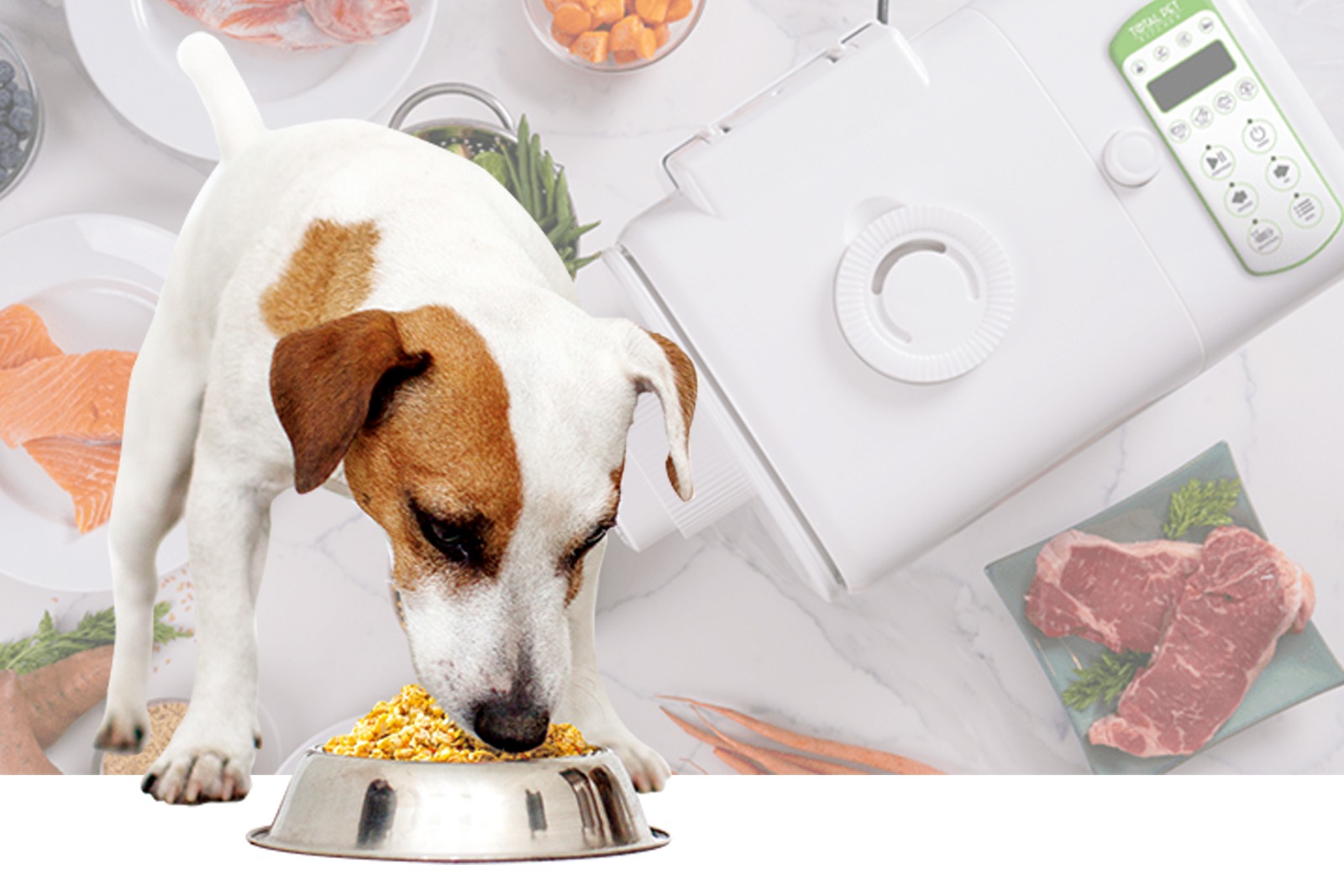

Most Pet Nutrition Mistakes Come from a Place of Care
Feeding your dog or cat may feel simple, but it’s one of the most impactful (and often misunderstood) aspects of pet care. Every day, well-meaning pet parents make small nutrition decisions that can quietly add up to weight gain, digestive issues, or long-term health concerns.
The good news? Most of these mistakes are completely fixable – with the right knowledge and a consistent approach.
In this article, we through the most common pet nutrition mistakes—and, more importantly, how to correct them safely and effectively.
Overfeeding: The Silent Driver of Pet Obesity
One of the most common and overlooked mistakes is simply feeding too much.
Even a small daily calorie surplus can lead to significant weight gain over time. In fact, studies estimate that nearly 60% of dogs in the U.S. are overweight or obese. This increases the risk of:
- Joint problems and arthritis
- Diabetes
- Heart disease
- Reduced lifespan
Where It Goes Wrong
- Following generic feeding guidelines (instead of individual needs)
- Not adjusting portions for age, activity, or breed
- “A little extra” at mealtime or table scraps
How to Fix It Safely
- Measure portions precisely (don’t eyeball)
- Adjust intake based on weight trends—not just appetite
- Prioritize nutrient-dense meals over calorie-dense fillers
Practical Tip: Portion-controlled, home-prepared meals allow you to tailor exactly how much your pet eats—without relying on vague scoop sizes.
Imbalanced Homemade Diets: Good Intentions, Missing Nutrients
Cooking for your pet at home can be one of the healthiest choices—but only if it’s done correctly.
A common mistake is feeding meals that are not nutritionally complete, often lacking:
- Calcium
- Essential fatty acids
- Key vitamins (like D, E, and B-complex)
- Proper protein-to-fat ratios
Real-World Example
A dog fed only chicken and rice long-term may initially seem healthy—but over time can develop nutrient deficiencies that affect bones, skin, and energy levels.
How to Fix It Safely
- Follow balanced, veterinarian-guided recipes
- Rotate ingredients thoughtfully — not randomly
- Ensure every meal contributes to overall nutritional balance
Smart Approach: Using structured recipes—or a guided cooking system — helps ensure consistency across meals, not just good intentions.
Over-Reliance on Treats & Snacks
Treats are essential for bonding and training—but they can quickly become a hidden calorie trap.
The Problem
Many pets consume 20–30% of their daily calories from treats alone—often highly processed and low in nutritional value.
Signs It’s Becoming an Issue
- Reduced appetite for real meals
- Weight gain despite “normal feeding”
- Digestive inconsistency
How to Fix It Safely
- Limit treats to no more than 10% of daily caloric intake
- Use real food alternatives (e.g., small pieces of cooked vegetables or lean protein)
- Incorporate treats into the total daily calorie plan
Better Strategy: When your pet’s main meals are fresh, satisfying, and nutrient-rich, their dependence on treats naturally decreases.
Misleading Labels: “Natural,” “Grain-Free,” and Other Marketing Traps
Pet food labels can be confusing—and sometimes misleading.
Common Misconceptions
- “Natural” does not mean minimally processed
- “Grain-free” is not inherently healthier (and may lack important nutrients)
- Premium branding ≠ better ingredient quality
What Actually Matters
- Ingredient transparency
- Nutrient balance
- Digestibility and bioavailability
How to Fix It Safely
- Focus on whole, recognizable ingredients
- Avoid over-reliance on marketing terms
- Evaluate food based on nutritional value—not label claims
Reality Check: A simple home-cooked meal made from real ingredients often provides more clarity—and control—than even premium packaged foods.
Sudden Diet Changes: A Recipe for Digestive Trouble
Switching your pet’s food too quickly can lead to:
- Vomiting
- Diarrhea
- Loss of appetite
- Gut microbiome disruption
Why It Happens
Your pet’s digestive system needs time to adapt to new ingredients and nutrient profiles.
How to Fix It Safely
Transition gradually over 7–10 days:
- Day 1–3: 25% new food, 75% old
- Day 4–6: 50% new, 50% old
- Day 7–9: 75% new, 25% old
- Day 10: 100% new diet
Pro Tip: Fresh, gently cooked meals are often easier to digest—but still require a proper transition.
Safe Corrections: A Simple Framework for Better Nutrition
If you recognize one (or more) of these mistakes, don’t worry—improvement doesn’t require a complete overhaul overnight.
Step-by-Step Correction Framework
- Assess
- Evaluate your pet’s weight, energy levels, and digestion
- Identify where current habits may be off
- Simplify
- Focus on fewer, higher-quality ingredients
- Reduce unnecessary treats and extras
- Balance
- Ensure meals include protein, healthy fats, and essential nutrients
- Follow structured recipes rather than guesswork
- Control Portions
- Measure meals consistently
- Adjust based on results—not assumptions
- Build Consistency
- Feed at regular times
- Maintain a repeatable meal routine
Follow our Chef’s approach for cooking balanced, homemade pet food over time using real, fresh ingredients.
A Smarter Way Forward: Fresh, Balanced, and Consistent
Correcting pet nutrition mistakes isn’t about perfection—it’s about consistency, balance, and control.
That’s why many pet parents are moving toward:
- Portion-controlled fresh meas made at home
- Repeatable recipes that ensure balanced nutrition
- Simple cooking systems that make healthy feeding practical and sustainable
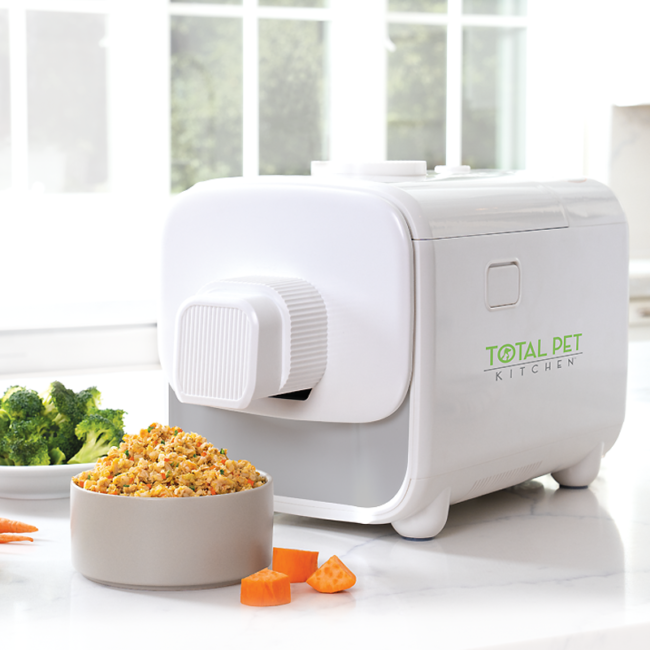
With tools like the Total Pet Kitchen, preparing fresh, human-grade meals becomes:
- Easy to portion
- Consistent across batches
- Adaptable to your pet’s evolving needs
Instead of guessing what’s in your pet’s bowl—you know.
Final Thoughts
Most pet nutrition mistakes come from a place of care—not neglect. But even small missteps can have long-term effects if left uncorrected.
By focusing on:
- Proper portions
- Balanced nutrition
- Thoughtful ingredient choices
- Gradual transitions
…you can dramatically improve your pet’s health, energy, and quality of life.
Because when it comes to nutrition, what you feed – and how you feed it – matters more than you think.
By George Cruz