
Homemade Cat Food Can Be Simpler
For many cat parents, the idea of cooking homemade food for their cat sounds wonderful in theory – but intimidating in practice. Questions about nutrition, safety, preparation time, and “doing it right” often stop people before they ever begin.
But here’s the good news: homemade cat food does not need to be complicated.
With the right ingredients, balanced recipes, and a simple cooking system like the Total Pet Kitchen Multi-Cooker , preparing fresh meals for your cat can become a realistic, healthy, and rewarding part of your routine.
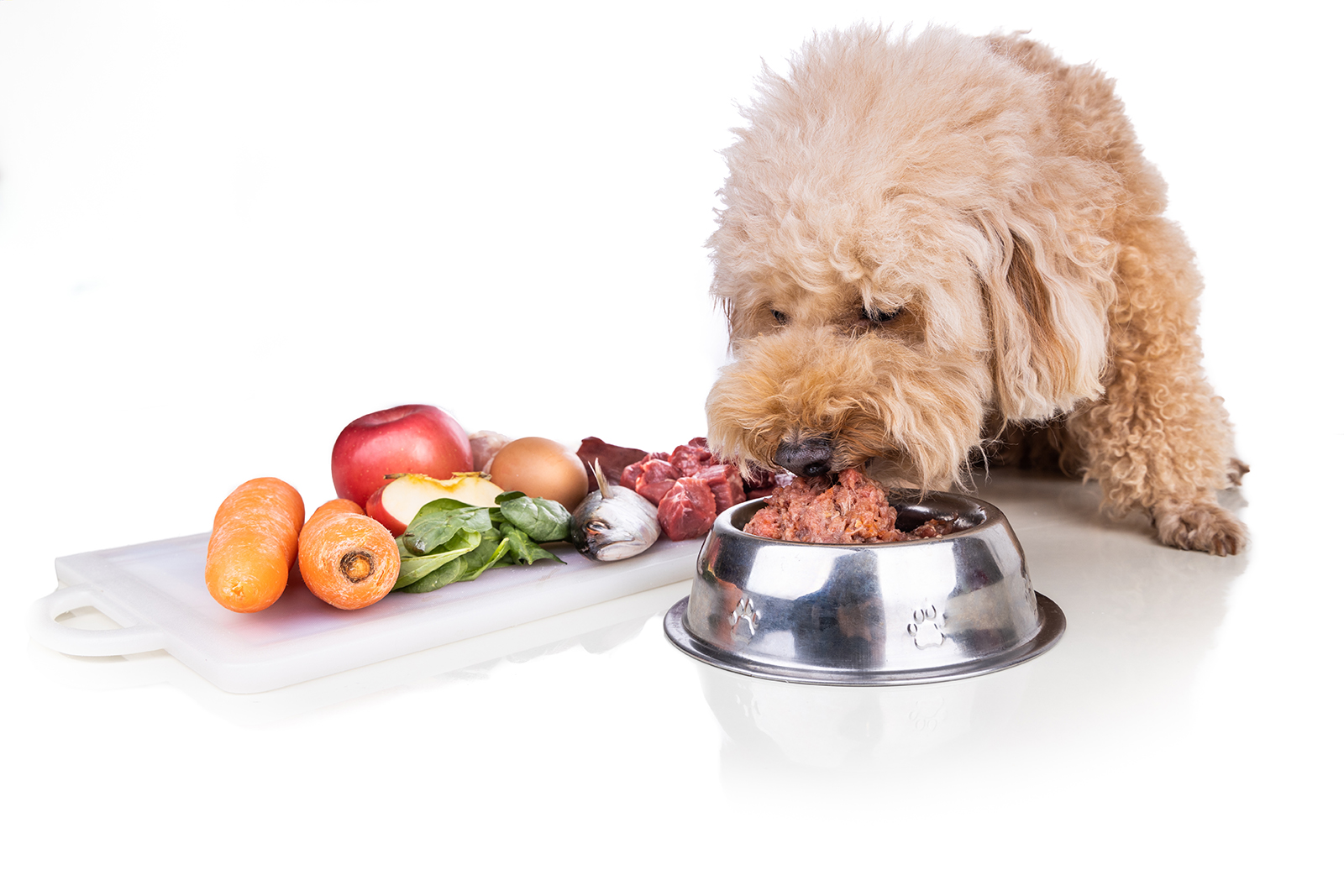
More cat lovers today are moving away from highly processed pet food and looking for fresher, more transparent alternatives made from real ingredients they can recognize. And for good reason – fresh food can support hydration, digestion, appetite, coat quality, and overall wellness in many cats.
Why More Cat Parents Are Exploring Homemade Cat Food
Cats are unique animals nutritionally. Unlike humans or even dogs, cats are obligate carnivores, meaning their bodies are designed to thrive primarily on animal-based proteins and moisture-rich foods.
In the wild, cats naturally consume prey that contains:
- High protein
- Moderate fat
- Very little carbohydrate
- Significant moisture
Unfortunately, many commercial dry cat foods are heavily processed and often contain:
- Excess starches or fillers
- Artificial preservatives
- Low moisture levels
- Meat by-products of varying quality
This doesn’t mean every commercial food is bad, but it does explain why many pet parents are becoming more interested in fresher alternatives made from whole ingredients.
Homemade cat food gives you greater control over:
- Ingredient quality
- Protein sources
- Portion sizes
- Freshness
- Food sensitivities and allergies
Most importantly, it allows you to feed your cat food that looks and smells like real food – because it is!
Is Homemade Cat Food Safe?
The answer is yes: homemade cat food can absolutely be safe when recipes are balanced and thoughtfully prepared.
The biggest mistake people make is assuming cats can simply eat random leftovers or plain cooked chicken every day.
Cats require specific nutrients, including:
- Taurine
- Essential amino acids
- Healthy fats
- Vitamins and minerals
- Appropriate calcium and phosphorus balance
That’s why consistency and recipe guidance matter.
Using structured recipes designed for feline nutrition helps ensure your cat receives balanced meals instead of nutritionally incomplete food.
The goal is not perfection overnight. The goal is building healthier feeding habits with real ingredients and proper balance.
Fresh Ingredients Cats Naturally Love
One of the best parts of homemade cat food is using simple, recognizable ingredients that cats are naturally drawn to.
Healthy Proteins for Cats
Cats thrive on animal proteins such as:
- Salmon
- Cod
- Chicken
- Turkey
- Sardines
- Eggs
- Lean beef (in moderation)
Fish-based meals are especially appealing to many cats because of their aroma and natural oils. Proteins rich in omega-3 fatty acids may also help support:
- Skin health
- Soft, shiny coats
- Joint health
- Cognitive function in senior cats
Can Cats Eat Vegetables?
While cats are carnivores, small amounts of certain vegetables can safely complement homemade meals.
Cat-friendly vegetables may include:
- Pumpkin
- Sweet potato
- Peas
- Carrots
- Spinach (small amounts)
These ingredients can provide fiber, texture, and additional nutrients while helping support digestion.
The key is moderation. Vegetables should complement protein – not replace it.
Homemade Cat Food Doesn’t Have to Be Time-Consuming
One reason many people avoid homemade pet food is the assumption that it requires hours of prep and cleanup.
That’s where a dedicated pet food cooking system can make a huge difference.
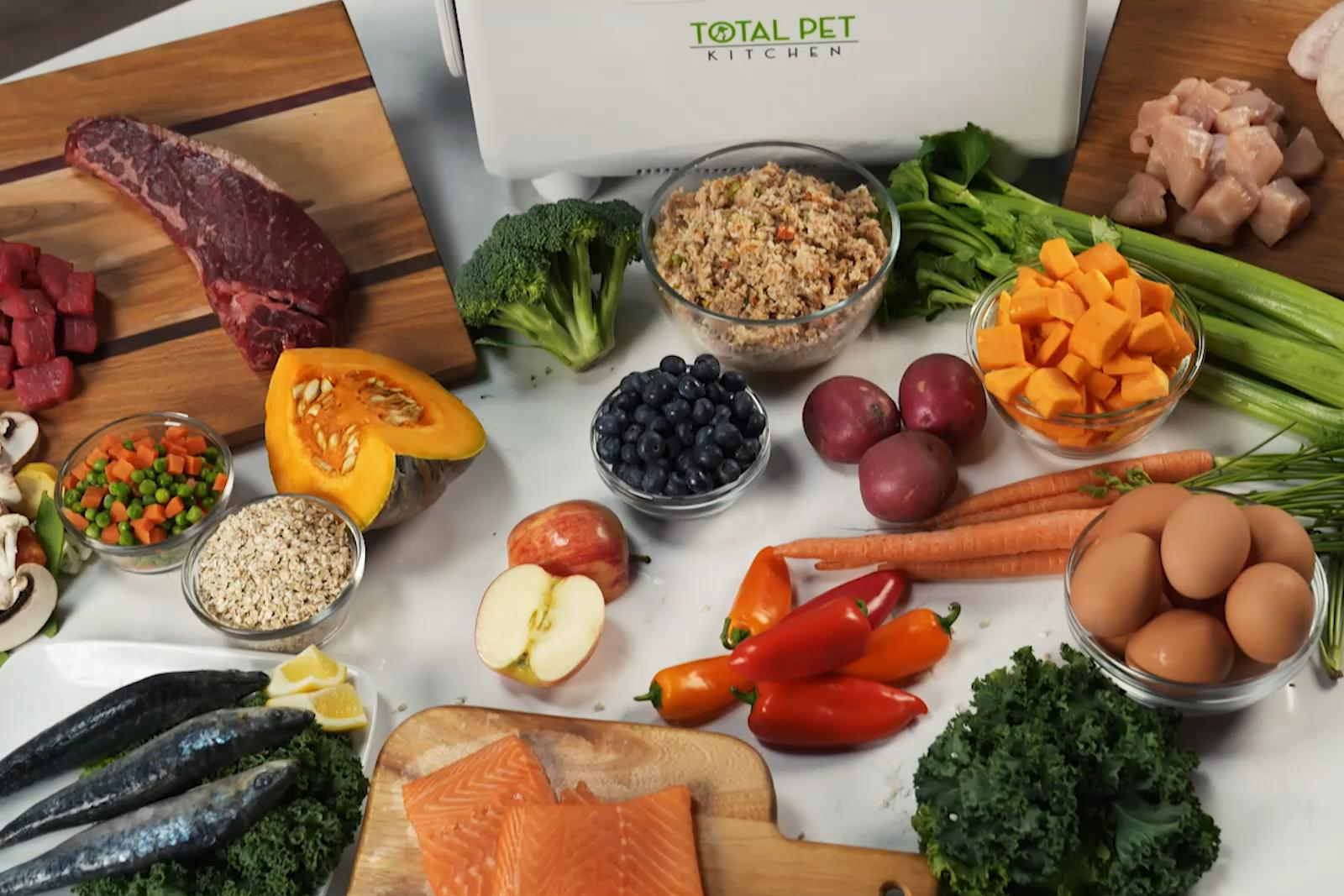
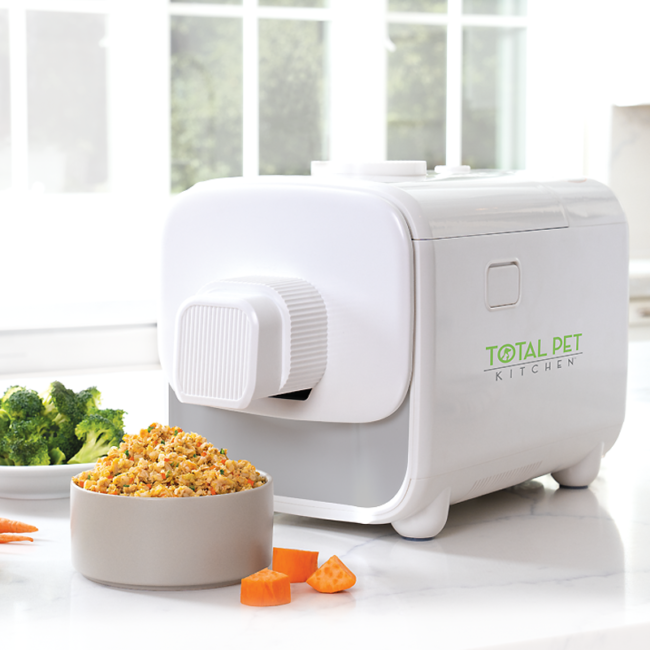
The Total Pet Kitchen Multi-Cooker was designed specifically to simplify the process of preparing fresh meals for dogs and cats at home. Instead of managing multiple pots and pans, the system allows cat parents to cook balanced meals using fresh proteins, vegetables, grains, or grain-free ingredients in one streamlined process.
Features cat parents appreciate include:
- Simple one-pot cooking
- Pre-programmed cooking settings
- Consistent preparation
- Batch cooking convenience (prep a week’s worth of cat feed in under an hour)
- Easy cleanup
- Human-grade ingredient control
For busy households, this removes much of the friction that traditionally came with homemade feeding.
Fresh Cat Food Recipes You Can Make at Home
Homemade cat meals can be surprisingly simple when you start with balanced ingredient combinations.
Some popular fresh cat food recipes include:
- Salmon & sweet potato blends
- Chicken & pumpkin recipes
- Cod with vegetables and rice
- Turkey and egg combinations
- Grain-free fish meals
The Total Pet Kitchen Recipe Collection includes fresh meal ideas designed for pet parents looking to prepare healthier homemade food with real ingredients.
Starting simple is often the best approach.
Tips for Transitioning Your Cat to Fresh Food
Cats can sometimes be cautious about dietary changes, especially if they’ve eaten dry kibble for years.
A gradual transition usually works best.
Start Slowly
Mix a small amount of fresh food into your cat’s current meals and gradually increase over several days.
Warm the Food Slightly
Cats are highly driven by aroma. Slightly warming fresh food may increase acceptance.
Watch Portion Sizes
Fresh food is often more nutrient-dense and filling than heavily processed food.
Be Patient
Some cats adapt immediately. Others take time.
Consistency matters.
Common Homemade Cat Food Mistakes to Avoid
- Feeding Only Plain Meat
- Cats need more than protein alone for complete nutrition.
- Overusing Treats
- Treats should not replace balanced meals.
- Sudden Diet Changes
- Rapid transitions can upset digestion.
- Ignoring Hydration
One advantage of fresh food is naturally higher moisture content, which may help support urinary and kidney health.
Using Unsafe Ingredients
Avoid:
- Onions
- Garlic
- Excess salt
- Artificial seasonings
- Chocolate
- Grapes/raisins
When in doubt, keep recipes clean and simple.
Fresh Food Creates a More Natural Feeding Experience
Many cat parents notice positive changes after introducing fresh meals:
- Better appetite
- Increased excitement at mealtime
- Improved digestion
- Shinier coats
- More consistent energy
- Better hydration habits
While every cat is different, feeding real food made from recognizable ingredients simply feels more aligned with how many people want to care for their pets today.
Homemade Cat Food Can Be Simpler Than You Think
Cooking for your cat does not require becoming a veterinary nutrition expert overnight or spending hours in the kitchen every week.
With balanced recipes, quality ingredients, and tools like the Total Pet Kitchen Multi-Cooker , preparing fresh homemade cat food can become safe, manageable, and deeply rewarding.
For cat parents who want greater transparency, fresher ingredients, and a more natural approach to feeding, homemade meals offer a meaningful alternative to heavily processed pet food.
And sometimes, the healthiest changes begin with something simple: real food made with care.
By George Cruz