
Always Rethink What You Throw Away
Every day in our kitchens, we throw away food that’s perfectly usable.
Broccoli stems. Carrot tops. Meat trimmings. Fish scraps. Eggshells.
We call them scraps—but in reality, they’re packed with nutrients.
As a chef, I see it differently. These aren’t leftovers. They’re ingredients. One thing I’ve always believed in is using everything you can. In a professional kitchen, nothing goes to waste—and it’s the same mindset I bring when I cook for my dog.
What most people see as scraps, I see as ingredients.
Cooking for your pet doesn’t have to mean buying specialty items or expensive products. A lot of what you already have in your kitchen can be turned into nutritious, balanced meals with a little planning.
What You Throw Away… Your Pets Would Love
If you start paying attention, you’ll realize how much usable food never makes it to the plate.
Not because it’s bad—but because we’ve been conditioned to trim, peel, and discard.
For pets, many of those parts are not only safe—they’re incredibly nutritious.
Think about it:
- The stems we cut off
- The ends we trim
- The bones we don’t use
- The organ meats we overlook
That’s a goldmine of real, whole nutrition.
Vegetable Scraps That Are Actually Nutrient Powerhouses
Carrot ends, celery tops, broccoli stems, cauliflower cores—these are all usable.
Instead of tossing them, set them aside and incorporate them into your dog’s meals. It’s an easy way to reduce waste and get more value out of what you’re already buying.
Broccoli Stems
Often discarded, but rich in fiber and vitamins. When cooked and softened, they’re perfect for dogs.
Carrot Peels & Ends
Packed with beta-carotene and natural sweetness—great for both dogs and cats when cooked.
Sweet Potato Skins
Loaded with fiber and nutrients. Once softened, they’re an excellent addition to meals.
Cauliflower Stems & Leaves
Mild, digestible, and full of vitamins when cooked properly.
Zucchini Ends & Peels
Light, hydrating, and easy on digestion.
Pumpkin & Squash Bits
Even the less “pretty” pieces are great for digestion and gut health.
💡 Chef Tip: Always cook vegetables before feeding—this makes them easier to digest and unlocks more nutrients.
Protein Cuts You’re Probably Wasting (But Shouldn’t Be)
This is where the real opportunity lies.
In many kitchens, the most nutrient-dense parts of meat never get used.
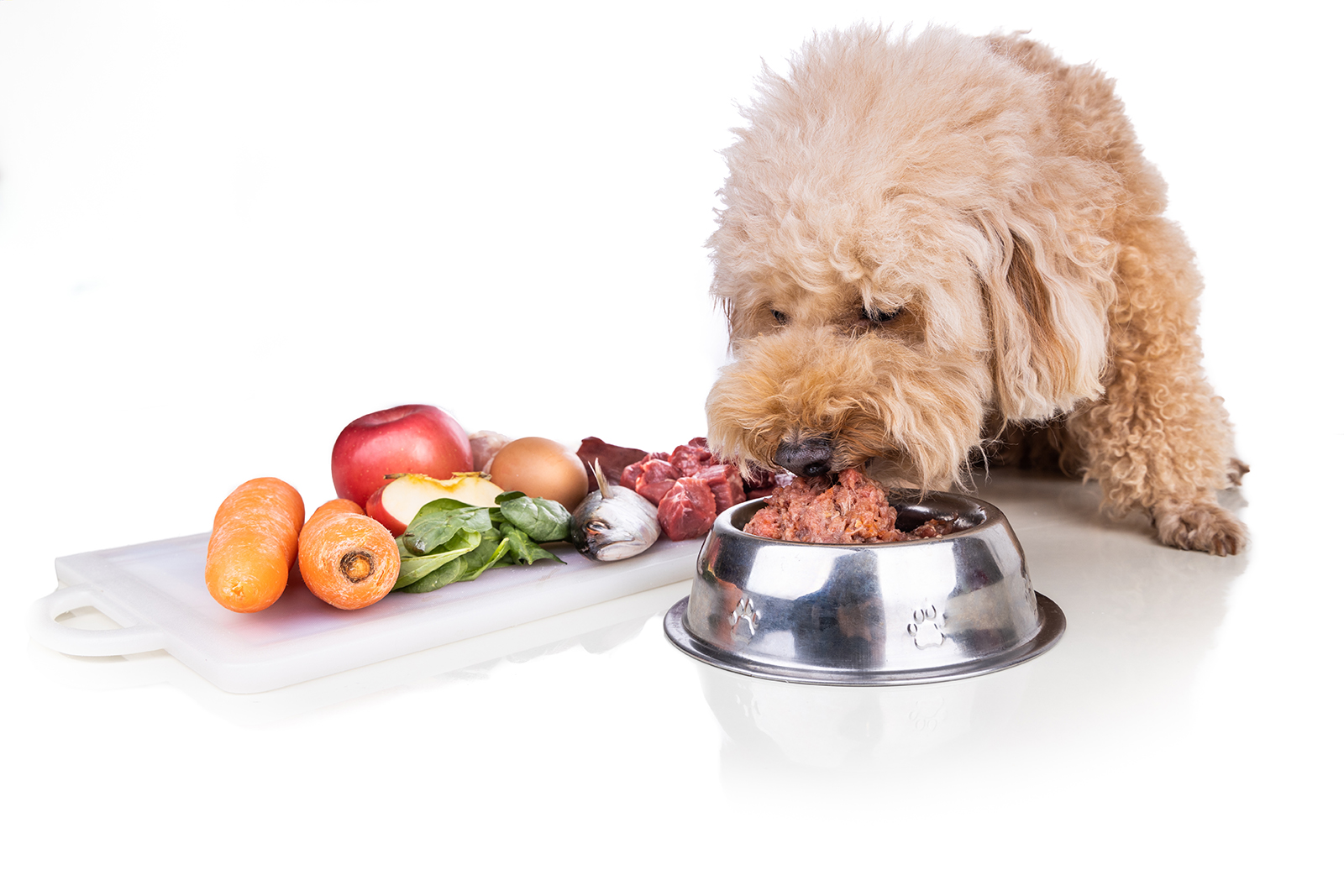
Meat Trimmings
Small cuts of beef, pork, chicken, or turkey are perfect for pet meals.
Organ Meats (Often Discarded or Ignored)
- Liver
- Kidney
- Spleen
- Tripe
These are some of the most nutrient-rich foods you can give your pet—packed with vitamins and minerals.
Muscle Meats
- Hearts
- Gizzards
- Tongue
These are flavorful, protein-rich, and highly beneficial.
Fish Scraps
- Skin
- Fillet trimmings
- Sardines or mackerel pieces
Rich in omega-3 fatty acids for coat, brain, and heart health.
Meat and fish trimmings are not garbage!
Don’t Toss the Eggshells
Most people crack an egg and throw the shell away.
I save them.
Rinse them, dry them, and bake at low heat (around 185°F for 10–20 minutes), then crush into a fine powder.
Eggshells are an excellent natural source of calcium—an essential nutrient for dogs and cats.
Know What NOT to Use
While many scraps are beneficial, some should always be avoided:
- Onions
- Garlic (in large amounts)
- Grapes & raisins
- Cooked bones (can splinter)
- Highly seasoned or salty leftovers
When in doubt—keep it simple and clean.
From Scraps to Balanced Meals
This isn’t about dumping leftovers into a bowl.
It’s about building simple, balanced meals using what you already have.
A typical batch might include:
- Vegetable scraps (broccoli stems, carrots, squash)
- Protein trimmings (chicken, beef, fish)
- A grain like rice or quinoa
- A liquid (water or broth)
Cook it together, soften everything, and you’ve created fresh, homemade pet food—using ingredients that would have otherwise gone to waste.
If you follow a basic structure – similar to what many veterinarians recommend – you can keep things balanced without overthinking it.
A simple guideline we use:
- 10% liquid (water or stock)
- 10% grain (rice, quinoa, steel-cut oats)
- 40% protein
- 10% organ meat
- 30% vegetables (I like at least 10% of that to be green vegetables)
This gives you a strong, balanced foundation. From there, you can rotate ingredients and adjust based on your pet’s needs.
Don’t forget to include a multivitamin or supplement to help round out anything that may be missing. You can follow our exact recipes or check with your veterinarian for more specific diets and guidance.
Where Total Pet Kitchen Makes It Easy
Let’s be honest—the idea is simple, but the process can get messy.
Multiple pots. Chopping. Grinding. Mixing.
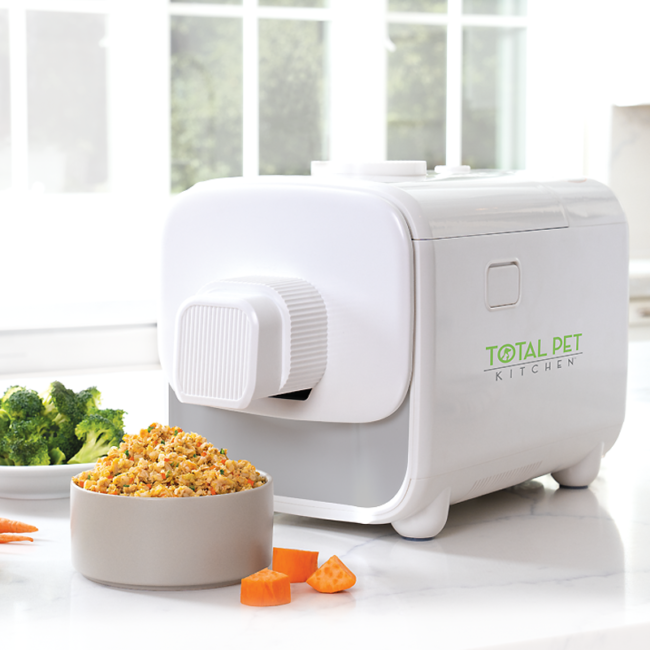
That’s exactly why we created Total Pet Kitchen.
It turns your everyday scraps and fresh ingredients into fully cooked, balanced meals—all in one place.
Just add your ingredients, press a button, and the unit:
- Cooks
- Mixes
- Grinds
- Dispenses
No extra steps. No wasted time.
Always Rethink What You Throw Away
As a chef, I’ve learned that some of the best ingredients are the ones people overlook.
The same is true for feeding your pets.
What you call scraps… can become nourishment.
What you throw away… can become a healthy, homemade meal.
And once you start seeing your kitchen this way, everything changes.
Cook Smarter. Waste Less. Feed Better.
Your dog or cat doesn’t need processed food made in a factory.
They can thrive on real food—made in your kitchen—with ingredients you already have.
That’s the chef’s approach. And with Total Pet Kitchen, it’s easier than ever.
By George Cruz